
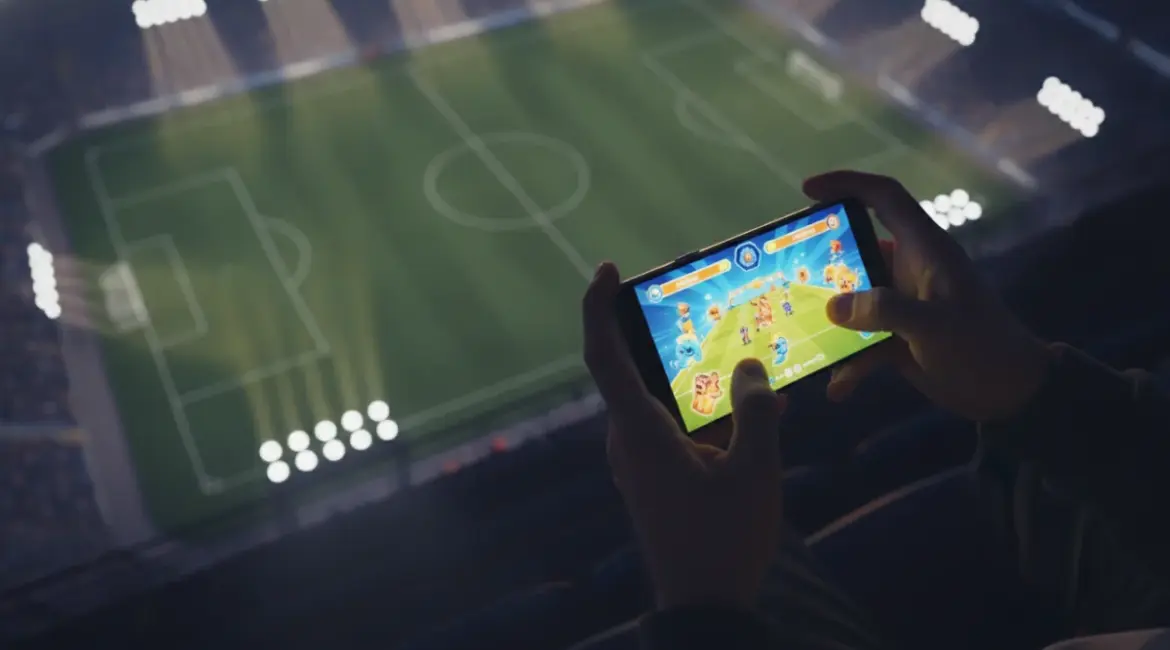
Sports fans are no longer treating halftime as dead time. Quick mobile games now fit neatly into that break, giving people something fast, familiar, and easy to enjoy before play resumes.
Why the Break Feels Bigger Than It Used To
Halftime used to be a pause filled with commercials, commentary, and waiting. Today, many fans want a more active way to stay engaged without losing track of the game.
That is where short-form mobile games stand out. They create a brief burst of interaction that matches the length and energy of the break.
- Fast start: Fans can open a game and begin within seconds.
- Simple controls: The best options do not require a long tutorial.
- Short rounds: A single session can fit into a commercial break.
- Repeatable play: Multiple quick attempts keep the moment entertaining.
What Makes These Games Work
Successful halftime games are designed for speed, clarity, and instant payoff. They avoid complicated systems and instead focus on immediate satisfaction.
That is why hyper-casual puzzles, rapid sports challenges, and lightweight spin-style games often perform well in this setting. They offer enough excitement to hold attention, but not so much that they distract fans from the next whistle.
In practice, the appeal is simple: people want a game that feels active, but never demanding. If a round lasts too long, it misses the point of halftime entirely.
Technology Has Made the Habit Easier
Better mobile networks and stronger venue Wi-Fi have removed many of the old barriers. Crowded stadiums and busy watch parties are far more capable of supporting quick gameplay than they were a few years ago.
Developers also build games with lighter data use and faster response times. That means fans can jump in, play a few rounds, and step away before live action returns.
For sports audiences, convenience matters as much as entertainment. A halftime game works best when it feels almost effortless to start and stop.
Why Fans Keep Coming Back
The psychology is straightforward. Live sports create anticipation, momentum, and a strong emotional charge, and fans often want to keep that feeling going during the break.
Mobile games help fill that gap by adding small rewards, quick wins, and a sense of control. Unlike watching the match, where the outcome is out of the viewer’s hands, a game lets the fan make immediate choices and influence a result.
- Momentum: The fan stays mentally connected to the event.
- Control: The player gets a small sense of agency.
- Reward: Short wins keep attention high.
How Teams and Broadcasters Are Using It
Sports organizations have noticed that halftime engagement can do more than pass the time. It can deepen loyalty, create new touchpoints, and make the fan experience feel more interactive.
Some clubs and broadcasters now use predictor games, fantasy updates, and reward-based mini-games tied to the live event. These features are especially effective when they connect directly to the match fans are already watching.
The result is a more active halftime experience. Instead of simply waiting for the second half, fans stay involved with the team, the broadcast, and each other.
What Comes Next
The next wave of halftime entertainment will likely feel even more connected to live sports. Augmented reality, location-based experiences, and richer second-screen features could make the gap between watching and playing even smaller.
For now, quick mobile games have already earned their place in the modern fan routine. They are short, accessible, and well suited to a moment that used to go unused.